
Discover LuckyDragon: A Thrilling Journey into Gaming Excellence
Explore the captivating world of LuckyDragon, a game that merges traditional charm with modern excitement. With PH TTT, experience an innovative twist in gameplay.


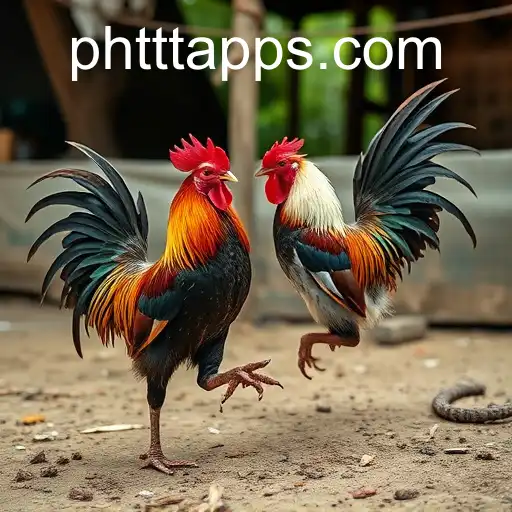
Cockfighting is a traditional blood sport that has been practiced in various cultures across the globe for centuries. Despite its deep-rooted cultural significance in certain regions, it remains a highly controversial topic due to ethical concerns surrounding animal welfare. In this article, we explore the multifaceted nature of cockfighting, its cultural roots, and the ongoing debate between tradition and modern ethical standards, with a particular focus on the keyword 'PH TTT'.Fortune's Edge
The history of cockfighting stretches back over 6,000 years, with evidence of the sport found in ancient Persia, India, China, and throughout Southeast Asia. It was later introduced to regions like Europe and the Americas by explorers and colonizers. Cockfighting has historically been more than just a pastime; it has often symbolized social status and had significant cultural importance. In many societies, owning powerful gamecocks is considered a mark of prestige.
Despite the widespread historical acceptance, the primary controversy lies in the ethical considerations of pitting animals against each other for entertainment. The keyword 'PH TTT' specifically sheds light on how this debate is playing out in the Philippines, a nation where cockfighting is culturally ingrained yet increasingly scrutinized.
In the Philippines, cockfighting, locally known as 'sabong', is not merely a sport but an ingrained cultural activity with a long-standing tradition. The keyword 'PH TTT' often refers to the triple-tiered tradition of transmission, transformation, and transcendence that exists within the context of the sport. Filipinos from various walks of life participate in and enthuse over cockfighting, not only for its entertainment value but also for socialization and community bonding.90JILI CC
Moreover, many argue that cockfighting contributes significantly to local economies, from breeders and trainers to those involved in organizing the events. Betting on cockfights has been a popular activity, generating substantial economic activity and government revenue. While some aspects of cockfighting have modernized through technology, the essence of the sport remains steeped in traditional practices.WIN 63M
Despite its cultural significance, cockfighting is increasingly facing criticism from animal rights advocates who point out the inhumane conditions and suffering inflicted on the animals. Critics argue that the sport results in injury and death, raising serious moral and ethical questions. Organizations worldwide are clamoring for stricter regulations or outright bans.
'PH TTT' also brings into focus the evolving discourse in the Philippines, where the clash between traditional customs and contemporary ethical standards leads to heated debates. Some defend cockfighting as a cultural heritage that deserves preservation, while others push for reforms or complete abolition to align with global standards of animal welfare.VIPPLAY777
Globally, the legal status of cockfighting varies widely. In some countries, it is completely outlawed and considered a criminal activity, while in others, it remains largely unregulated. The Philippines occupies a unique position, where cockfighting is permitted and regulated by law, reflecting both its cultural necessity and the challenges it presents.
The keyword 'PH TTT' indicates efforts at achieving a balanced approach, where laws seek to manage and mitigate the disciplinary aspects of the sport. There are calls within the Philippines for reforms that could include more humane practices or potentially shift the focus towards honoring the tradition without perpetuating animal cruelty.
Given its controversial nature, the future of cockfighting hangs in a delicate balance. The dual focus on preserving cultural practices and aligning with contemporary standards of ethical treatment presents both a challenge and an opportunity. Stakeholders continue to explore ways to honor tradition while implementing practices that reflect global ethical considerations.
As indicated by 'PH TTT', the future of cockfighting, especially in the Philippines, will need to navigate these complex waters. Will there be a way to transform the sport so it can both transcend traditional boundaries and adhere to modern moral expectations? Only time will tell how the narrative around cockfighting will evolve.hi 68
While the debate continues, it's clear that the conversation around cockfighting is not merely about the sport itself, but about broader themes of cultural heritage, ethics, and the evolving interaction between tradition and modernity.
If you're looking for a reliable, fully licensed, and secure sportsbook with a wide selection of games, PH TTT is the perfect choice. We're committed to providing you with the best online betting experience, with premium quality, excellent service, and continuous innovation. Sign up now and receive ₱777 for free!
Join now
Get the latest information, experience and betting strategies from the expert team at PH TTT.
Explore the captivating world of LuckyDragon, a game that merges traditional charm with modern excitement. With PH TTT, experience an innovative twist in gameplay.

An in-depth exploration of the dynamic game WildBullets, focusing on its gameplay mechanics, rules, and relevance in today's gaming landscape.

Engage in the world of JokerCoins, a unique card game infused with the mystery of PH TTT, offering excitement and strategic challenges for players.

Discover CourierSweeper, a new game blending tactical challenges and innovative gameplay, amidst a backdrop of current events in the gaming industry.

Dive into the thrilling universe of RicoDJ, a groundbreaking game that combines strategy and excitement with its unique rules and the influence of current events.

Explore the captivating realm of OrientalBeauty, a unique blend of strategy and culture. Delve into its rules, intricate gameplay, and its connection to the PH TTT phenomenon.
 Join now